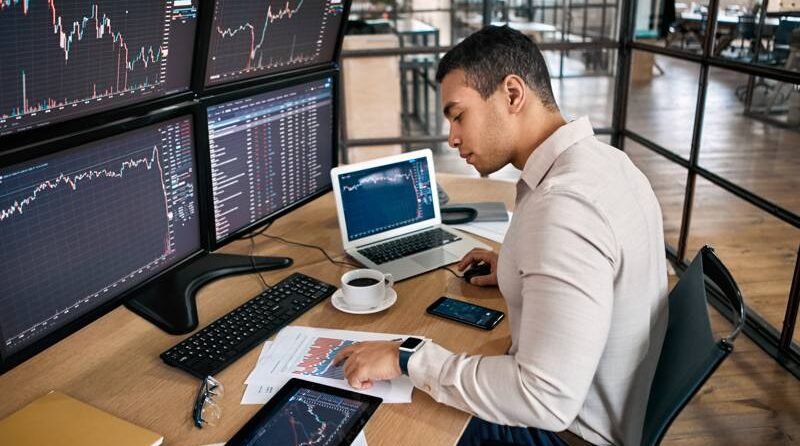
In universities throughout South Korea, noticeably, there has been an increase in student-financed clubs where they not only discuss textbook theories but also act on them. Such clubs are creating a practical culture that allows members to learn not just about markets, but also through simulations, competitions, and even actual trading situations. Due to the impact of technology on the financial world making it more accessible to many, these clubs have been playing a role as an entry point into real-life activities of their students that are outside of the normal classroom learning.
In most instances, university organizations usually attract students of different subjects who are interested in knowing how international financial mechanisms operate. A subject of an investment strategy or money policy can be easily transformed into tutoring teams, pretend trading rooms, and joint studies of currency fluctuations led by their peers. Finance clubs in most instances collaborate with online platforms and financial agencies to give them access to demo accounts and teaching tools where members have a virtual experience of market situations in a risk-free setting.
In such a setting, learners are developing an interest in foreign currency markets. Although the debates about stock and crypto are still popular, many people are starting to focus on another rapid process in the forex market. Their interest is captured by 24-hour work, the worldwide nature of the job, the analytical nature of examining geopolitics and monetary indicators. To most people, the concept of exchanging currencies gives them an edge to use the macroeconomic theories within real time.
Some start trading in the real markets with small accounts as students gain confidence trading with simulated money. The applications discussed in club meetings show them how to follow economic calendars, perceive price action, and to make live trades. This is because the exposure at an early age results in a generation of traders that helps them enter the broader financial field with both academic and practical understanding. It is more often than not that the members of these finance clubs will still be trading long after they have graduated, taking with them the habits and analytical skills they formed as students into work life.
These clubs also maintain a high degree of accountability and the sense of community in the culture of the club. Students hold one another to higher thinking and assumptions that they question each other. They comment on old trades, share the lessons they learned and help each other during the rises and falls. As opposed to learning alone, the emotional aspect of this group dynamic creates a balance and leads to more thoughtful risks. It also provides an avenue where the others with less experience can also learn the tricks of trade as it makes the learning curve seem less daunting.
Forex trading in this respect becomes even more than technical. It is an element of the bigger picture in terms of education through which the young people are instilled with discipline, decision-making capabilities, and financial literacy. Clubs in universities offer a well-organized yet flexible environment where students can experiment and fail without harsh repercussions. In the course of time, this shapes a trading mindset rooted in curiosity, analysis, and long-term insight.
With South Korea still cultivating a digitally and globally connected generation, the capacity of university finance clubs will probably grow even more. It is through these clubs that the students will find an important entry point to the world of trading, potentially shaping how trading is perceived and conducted in the country. Through their efforts of promoting participatory learning and fostering a spirit of exploration, they are making too strong an impact as far as shaping the future of forex trading in South Korea is concerned.